Hajj and Umrah Accommodation: How to Choose Where You Sleep
Quick Answer & Key Takeaway
Checked 8 November 2026: the whole accommodation picture for both holy cities in one place — Makkah's three zones, Madinah's four Markazia sides, the four factors that decide comfort, and when to book.
The short answer
Accommodation is the operational base of a pilgrimage. A well-chosen hotel protects your energy for Tawaf, Sa'i and the prayers; a badly chosen one spends it on lifts, detours and traffic. The whole decision comes down to four questions and two cities:
- Makkah: is this hotel in the Clock Tower towers, in the ground-level Jabal Omar blocks, or out in the shuttle zones? - Madinah: which side of the Markazia does it sit on, and does that side match the gates my group will use? - Both: what does the room actually contain, and can I get from the room to the prayer area at the busiest hour without exhausting anyone?
Everything below expands those four questions. Each section links to the deeper guide for that decision.
Makkah, part one: the zones
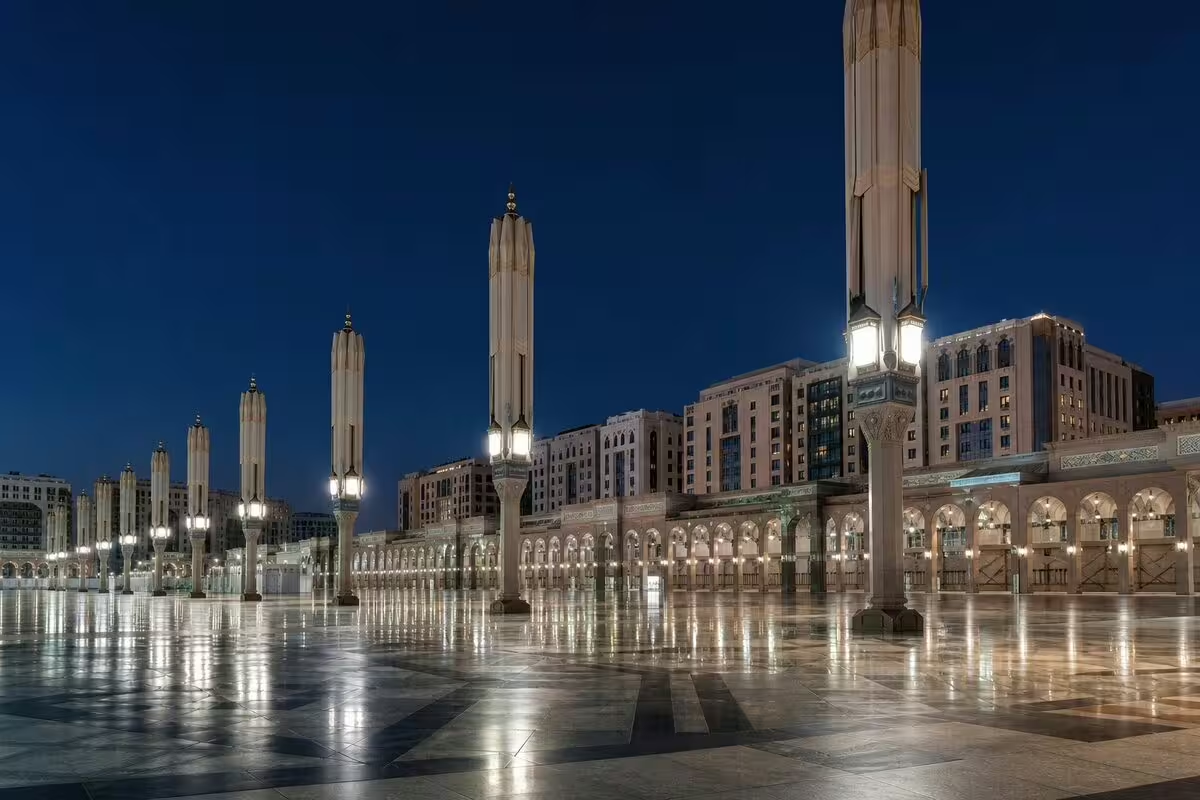
Makkah's hotels sit in three practical zones, and the differences are structural rather than a matter of taste.
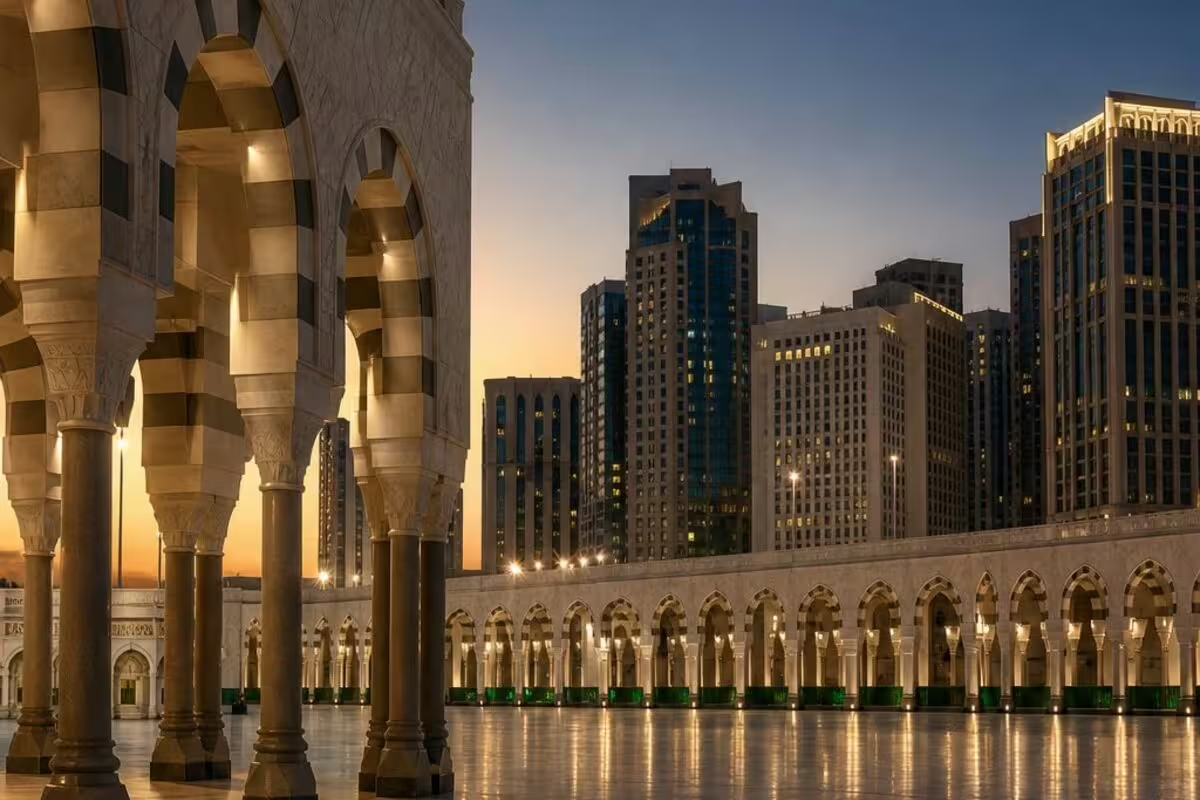
Zone 1a — the Clock Tower towers (Abraj Al-Bait). On the southern perimeter, connected internally, with the shortest horizontal distance in the city and the longest vertical one. In summer the indoor transition is a genuine advantage; at prayer time the lift bank becomes the bottleneck. Read the full comparison in [Makkah hotel sectors](/blog/makkah-hotel-sectors-abraj-al-bait-jabal-omar).
Zone 1b — Jabal Omar. The western development, built as terraces with escalators, bridges and open walkways to the King Fahad Gate approach. The walk is longer in metres and much more predictable in minutes, which is why families with parents or pushchairs tend to prefer it.
Zone 2 and 3 — the shuttle zones. Aziziyah, Al Maabda, Al Rayyan and lower Kudai at the near end, the outer suburbs beyond that. Larger rooms, lower rates, and a bus timetable that is written by traffic management. The practical guide to making that work is [budget hotels and shuttle timing](/blog/makkah-budget-shuttle-hotels-prayer-timing).
Whichever zone you pick, the same arithmetic applies: room-to-carpet time is the lift wait plus the internal corridor plus the plaza plus the gate. That is what [walking time versus map distance](/blog/makkah-hotel-walking-time-vs-map-distance) unpacks in detail.
Madinah: the Markazia sides
Madinah is flat, and its gates are assigned by sector, so the question is orientation rather than gradient.
- Northern Markazia — the side for female worshippers and families, closest to the gates used for the women's prayer areas and the women's Rawdah assembly. - Eastern Markazia — the Baqi direction, useful for the cemetery side and the eastern approach. - Western Markazia — the practical side for male Rawdah access, shopping arcades and transport arrivals. - Southern Markazia — the Bab Al-Salam and commercial quarter side, convenient for the male greeting route and the economy end of the market, but a long perimeter walk for women every day.
The three distance tiers then do the fine sorting: on the plaza, one ring out, or beyond a kilometre and dependent on a shuttle. The [Madinah sector and gate guide](/blog/where-to-stay-madinah-markazia-gate-guide) has the property shortlists and the price bands.
The four factors that decide comfort
1. Real walking time, not map metres. Map measurements are a straight line from the building to the mosque boundary; your journey has stages the map does not draw. Ask which gate the route reaches and how the hotel moves people at prayer time.
2. Vertical transit. In Makkah's tallest towers the lift is the constraint, not the corridor. A lower floor, a tower with a separate pilgrim or service lift bank, or a low-rise block in Jabal Omar changes the experience more than a hundred metres of distance does.
3. What the room contains. "Quad" can mean four permanent single beds in 40 square metres or two beds and two folding cots in 28. For adults and especially for older travellers, that difference is the whole stay. Ask for the bed count and the room size in writing, and read [family and elderly ground access](/blog/family-elderly-umrah-hotels-ground-access) before you accept a cot.
4. Gate access and paperwork. Gate assignments channel crowds, and they are not interchangeable. And before any of it, the booking has to come from a licensed channel that produces a Booking Reference Number, because the visa file and the Nusuk permits attach to it. The chain is set out in [Nusuk hotel BRN and Rawdah permits](/blog/nusuk-hotel-brn-rawdah-gate-guide).
When to book
The lead time depends almost entirely on the calendar:
- Ramadan's last ten nights, Hajj season, and the December school holidays: three to six months ahead. Connecting rooms, quad rooms and multi-bedroom suites are a small share of any property's inventory and they sell first; many properties also impose minimum-stay conditions in the peak window. - Off-peak Umrah — Muharram, Safar, Rabi' al-Awwal, and the summer months: four to eight weeks ahead is usually enough to see good availability and competitive rates, with the caveat that summer heat changes which sector you want in the first place. - Any date, if you need a specific room type: book as soon as the dates are fixed, and prefer a flexible rate over a promotional non-refundable one, because visa timing and flight changes are the two most common reasons a pilgrimage itinerary moves.
Getting between the two cities
The accommodation plan only works if the transit plan does. The Haramain train is fast on the rails and strict on luggage — one bag of up to 25 kg per passenger; the VIP coach is slower and far more forgiving with cases; a private van is the door-to-door answer for five or more travellers. The numbers and the luggage rules are in [Makkah to Madinah: train, VIP bus or van](/blog/makkah-to-madinah-haramain-train-vs-bus-taxi).
A decision order that works
1. Set the dates and the prayer intention. How many prayers will you attend inside the Haram, and in which city are you spending the longer part of the trip? 2. Choose the zone or side from the gates that intention implies. 3. Shortlist two properties per zone and ask both the same four questions: gate, lift arrangement, bed count, all-in price. 4. Check the paperwork — BRN, visa, Nusuk profile, Rawdah permit — before you pay a non-refundable rate. 5. Book the transit leg for the luggage you actually have, not the luggage you plan to have. 6. Write the routine down: departure time before each prayer, the gate, and the return plan for the busiest hours.
If you are still early in planning and want the budget side first, start with the [DIY Umrah planning hub](/umrah) and the visa-and-registration walk-through, then come back to accommodation with a number in hand.
7. Frequently Asked Questions
Which is better in Makkah: the Clock Tower, Jabal Omar or a shuttle hotel?
It depends on the group. The Clock Tower gives the shortest horizontal distance and indoor access at the cost of lift queues; Jabal Omar gives a steadier, flatter walk and better step-free access; the shuttle zones give space and price at the cost of a bus timetable that stops before each prayer.
How far in advance should I book an Umrah hotel?
Three to six months ahead for Ramadan's last ten nights, Hajj and the December holidays, and four to eight weeks ahead for off-peak windows. Specific room types such as connecting or quad rooms should be booked as soon as dates are fixed.
Why does Madinah's side of the Markazia matter so much?
Because the gates are assigned by sector. The northern side serves the female prayer areas and the women's Rawdah assembly, while the southern side is oriented to the Bab Al-Salam route and the commercial quarter; a hotel on the wrong side means a long perimeter walk every day.
What is the single most important question to ask a hotel?
Which gate their guests use, and how the building copes in the ten minutes after a congregational prayer. The answer tells you more about your daily experience than the star rating or the advertised distance.
Do I need a hotel Booking Reference Number to get Umrah permits?
Yes. The visa file and the Nusuk permits attach to a licensed booking that produces a Booking Reference Number, so an unlicensed apartment or a private arrangement can break the chain even if the room itself is fine.
Is a shuttle hotel workable for a first-time pilgrim?
It is workable if someone in the group is comfortable managing timetables and walking the final stretch from the terminal. For a first visit, a walkable block usually removes enough uncertainty to be worth the extra cost.
What should I check in the room description before paying?
The number of permanent beds and the room size. Two real beds plus two folding cots is not a quad room for four adults, and it matters most for elderly travellers who need a supportive mattress and clear floor space.
Sources for this guide
The list includes government, airline, news and booking sources; not every link supports every claim. Confirm live details with the relevant authority or carrier before travel or booking.
- [1] Saudi Ministry of Hajj and Umrah — official pilgrim portal for Hajj, Umrah and Madinah visiting
- [2] Nusuk — official pilgrim platform for permits, accommodation and services
- [3] Saudi Ministry of Hajj and Umrah — Umrah permit application service
- [4] Visit Saudi — current visa regulations and eligibility
Decide the zone, then compare live rates
Zone decides your daily routine; the room decides your rest. Pick the zone from the gates you will actually use, then compare live availability for your dates in both cities before you commit to an itinerary.
Compare Hotel Rates & Availability
Affiliate link: URAL may earn a commission if you book through this link. You pay the partner's price, not a marked-up one.
Plan your trip
- Nusuk hotel BRN and Rawdah permits: what actually opens the gate
- Makkah hotel sectors compared: towers, podium blocks and shuttle zones
- Where to stay in Madinah by gate and sector
- Budget hotels in Makkah: making a shuttle work at prayer time
- Makkah to Madinah: Haramain train, VIP bus or private van
- Family and elderly hotels: ground access and real quad rooms
- Makkah walking times: what map distance does not tell you
- Search live hotel rates for Makkah and Madinah stays
- The DIY Umrah planning hub and budget calculator
More Travel Guides for Bangladeshi Flyers
View all guides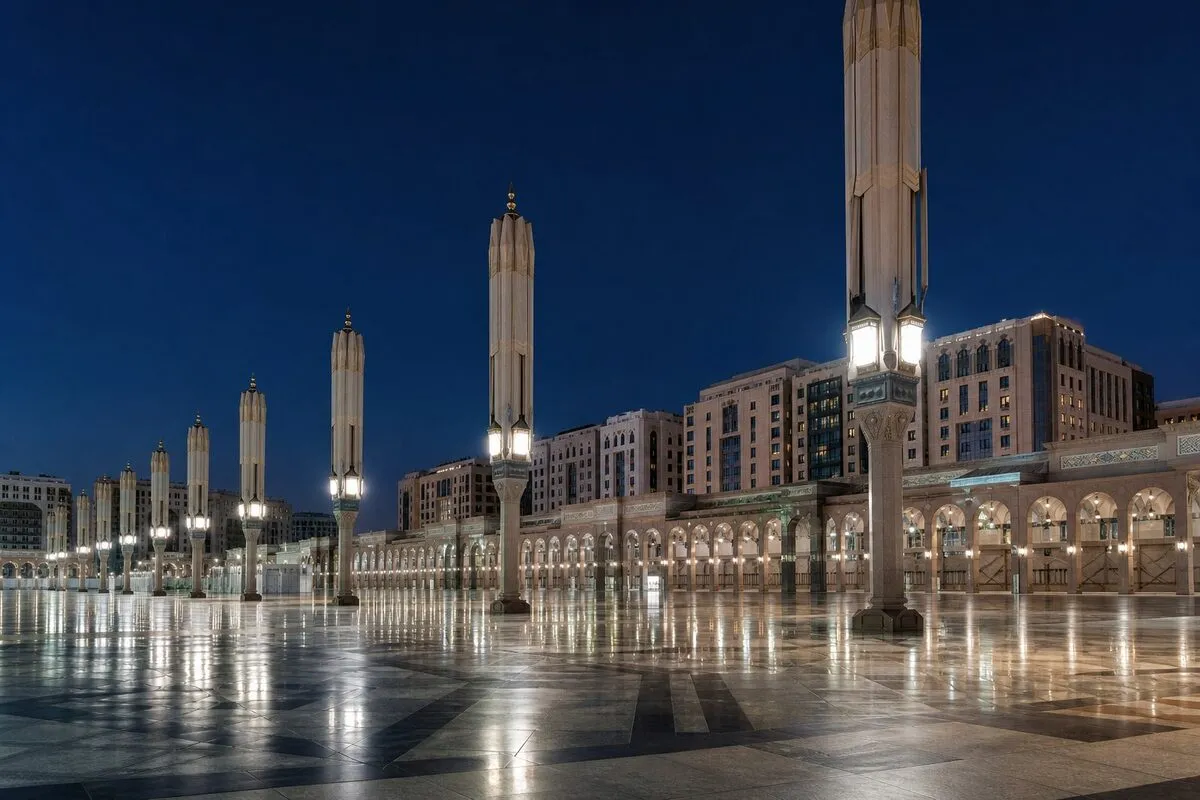
Hajj & Umrah · 11 min read
Where to Stay in Madinah: Markazia Sides and the Gate You Will Use
Madinah is flat and open, so distance is readable — but which side of Masjid an-Nabawi you sleep on decides which gate you walk to. Female prayer areas and the women's Rawdah assembly sit towards the northern and north-eastern perimeter, while the male greeting route and much of the commercial Markazia sit to the south and west. Pick the sector from the gate you will use every day, not from the metres on the listing.
Read the full guide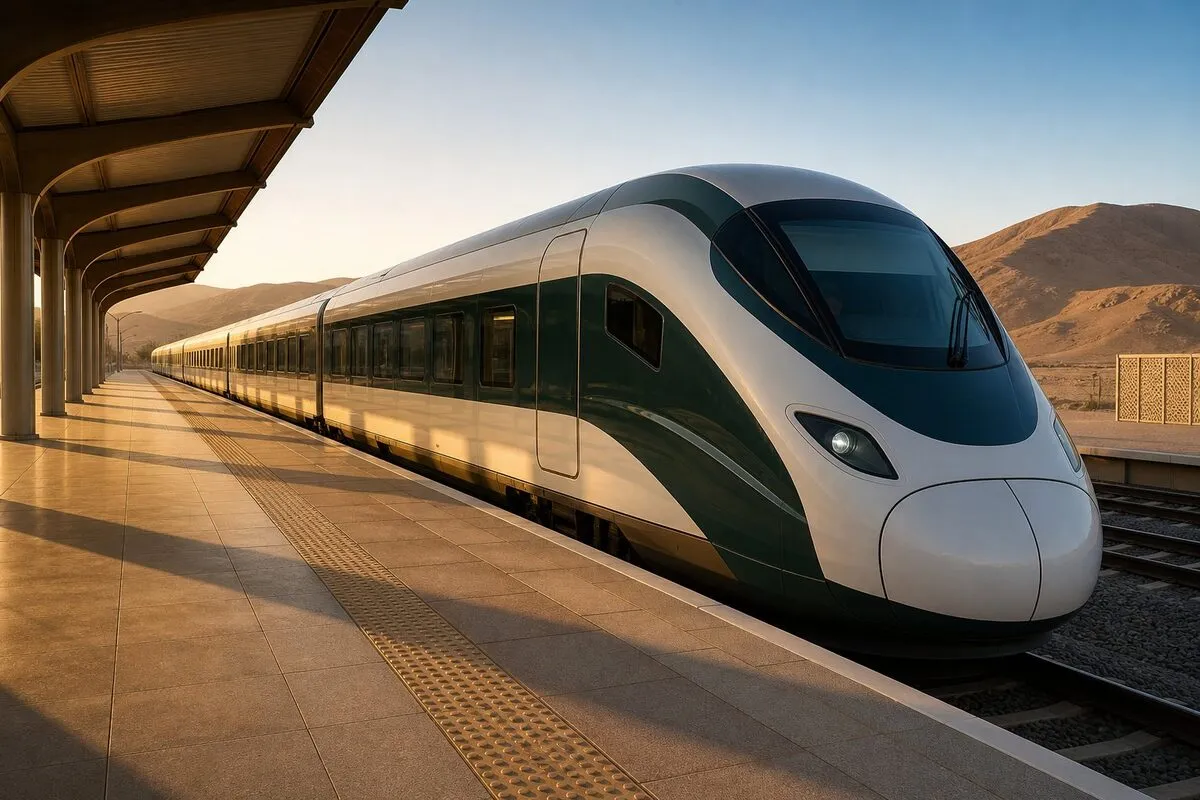
Hajj & Umrah · 11 min read
Makkah to Madinah: Haramain Train, VIP Bus or Private Van
The Haramain high-speed train covers Makkah to Madinah in about two hours and twenty minutes on the rails, but station transfers, security and taxi queues stretch the real door-to-door time to roughly four and a half to five and a half hours. The train also enforces a strict one-bag, 25 kg limit per passenger, which matters more than the timetable for a family with heavy luggage. For five or more travellers a private van is often cheaper and gentler; for solo travellers and couples the train still wins.
Read the full guide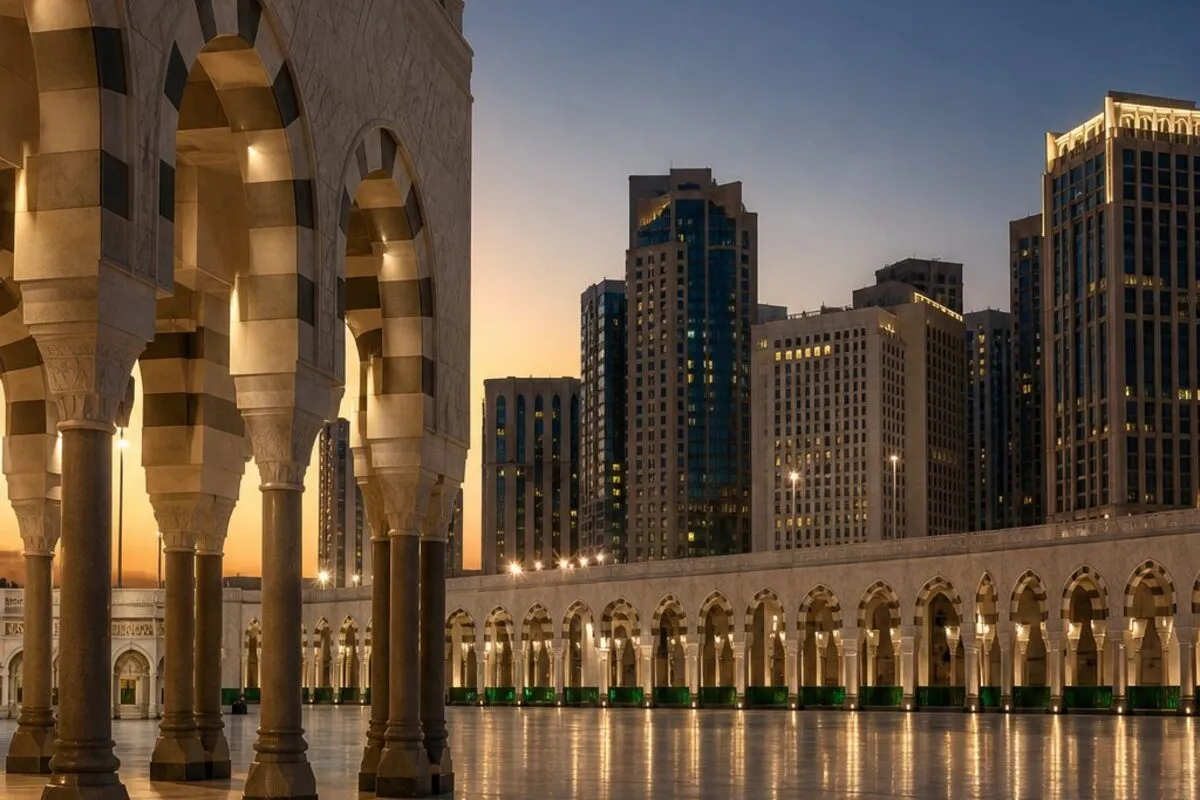
Hajj & Umrah · 10 min read
Makkah Walking Times: What Map Distance Does Not Tell You
Booking maps measure a straight line from a building to the mosque boundary. Your actual journey has four stages: the lift wait, the internal corridor, the plaza walk, and the gate clearance. In the Clock Tower towers the first stage can dominate; in Jabal Omar and the western plaza it shrinks to a few minutes. Compare hotels on those four stages rather than on the metres in the listing, and remember the return trip is usually the slower direction.
Read the full guide